You Can’t Union Your Way Out of Classroom Chaos
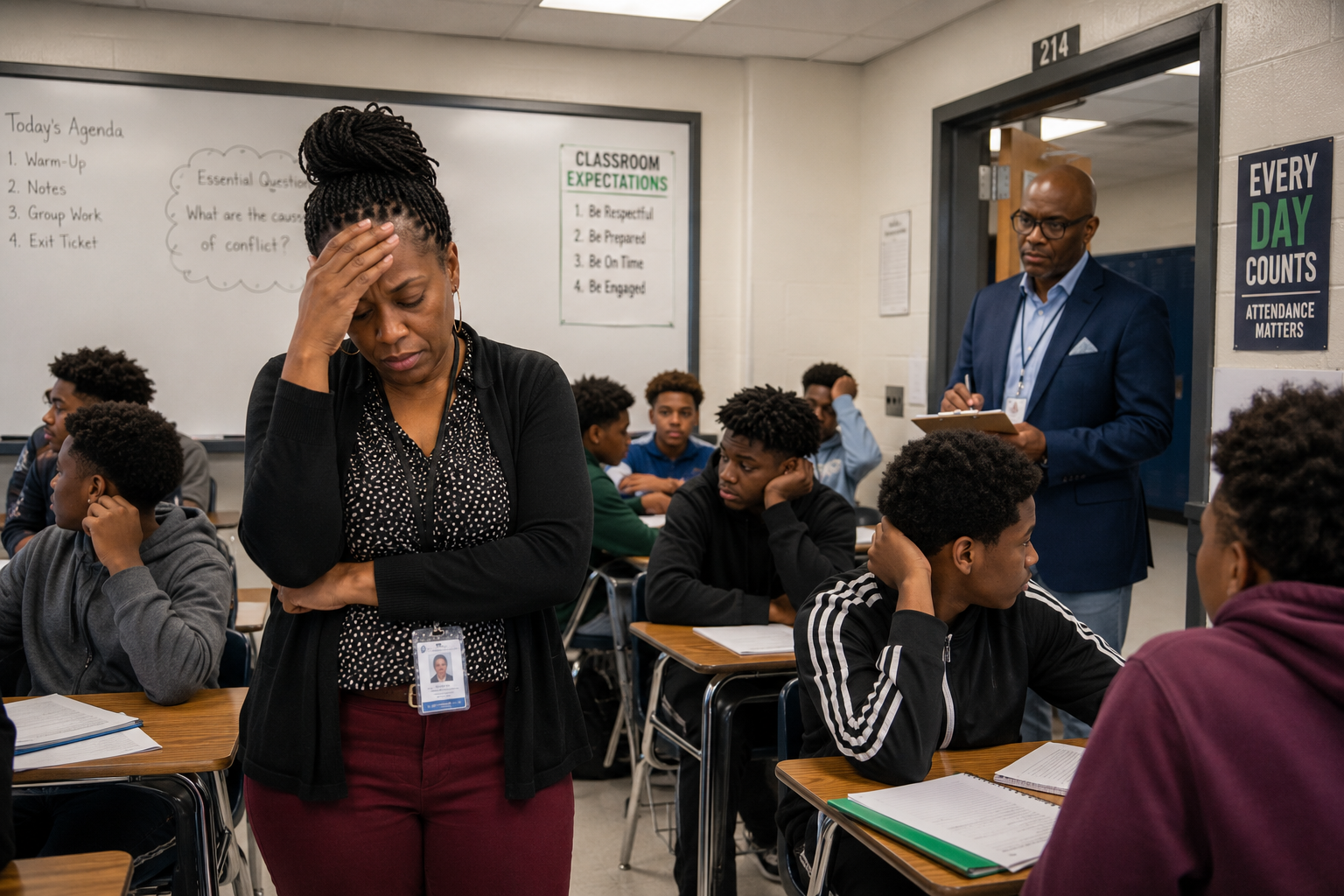
The teacher stopped correcting behavior six weeks ago. Not because she gave up — because nobody gave her a system that worked. That’s what classroom chaos looks like in a real school. A teacher stops addressing disruption. Not out of laziness. Out of exhaustion. The system never caught up to the demand.
Classroom Chaos Is Not a Teacher Problem
Classroom management is not a personality trait. It is an engineered environment. When teachers struggle, the first question is never “What’s wrong with that teacher?” Instead, the first question is “What did the system fail to provide?” Unions are now raising the alarm about behavior support in classrooms. That signal matters. When organizations representing teachers start naming classroom management as a crisis point, principals need to hear that as a structural warning, not a staffing complaint.
The problem is rarely the teacher in front of the room. However, the problem is the absence of a predictable, school-wide discipline architecture that holds whether the principal is in the building or not. Teachers do not need more sympathy. They need a system that removes the guesswork.
What Discipline Drift Looks Like in Your Building
Discipline Drift happens when consequences become inconsistent across classrooms. For example, a student cusses out Ms. Johnson in third period and gets sent home. The same student cusses out Coach Martinez in fifth period and gets a warning. By the end of the week, students know which adults enforce rules and which ones don’t. This creates classroom chaos by design.
When your discipline system depends on who delivers it, you don’t have a system. You have a personality. If the system only works when the right person is in the room, then the structure collapses the moment that person leaves. A brand-new teacher steps in on day one. Does the structure hold? Or does it depend on whoever survived last year?
The 4 Pillars of Discipline Stability
Most schools operate without a coherent discipline framework. As a result, teachers improvise daily. That improvisation leads to burnout. The 4 Pillars of Discipline Stability provide the architecture every school needs: clear expectations, consistent consequences, adult accountability, and data-driven adjustment. When all four pillars stand firm, classroom chaos decreases dramatically.
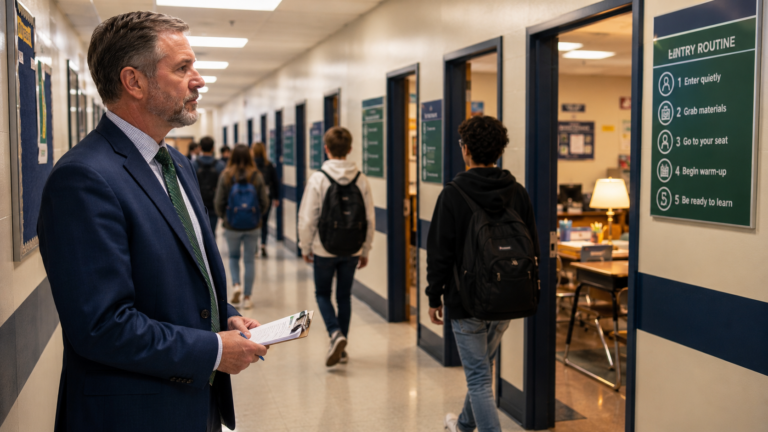
Clear expectations mean students know exactly what behaviors earn consequences. Furthermore, those expectations are posted, taught, and reviewed regularly. Consistent consequences mean the same behavior earns the same response regardless of which adult is present. Adult accountability means principals track who follows through and who doesn’t. Data-driven adjustment means the system evolves based on what the numbers reveal, not what feels comfortable.
Why Union Complaints Should Worry You
When teacher unions begin naming behavior support as a contract issue, that’s a red flag. It means the absence of structure has become unbearable. Teachers are not asking for raises. They are asking for systems. They want a framework that protects instructional time and reduces the mental load of constant improvisation.
Consequently, ignoring union signals about classroom chaos is a strategic mistake. These complaints point directly to systemic failure. Your teachers are telling you the architecture is broken. Most importantly, they are telling you before they leave your building entirely. National data shows that discipline issues rank among the top reasons teachers cite for leaving the profession.
The 3-System Breakdown That Causes Classroom Chaos
Most school discipline systems collapse in three predictable places. First, there is no universal referral process. Some teachers write referrals for everything. Others never write them at all. Second, there is no real-time tracking. Principals find out about patterns weeks after they start. Finally, there is no accountability loop. Teachers send students to the office and never hear what happened next. When these three systems fail, classroom chaos becomes inevitable.
The Accountability Loop closes this gap. Every referral generates a response. Every response gets documented. Every teacher receives feedback on what action was taken. This creates predictability. When teachers know the system will respond consistently, they use it. When they don’t trust the system, they stop referring. That’s when classrooms spiral.
What Happens When You Fix the System
At Rio Hondo ISD, suspensions dropped by 99 percent after installing a school-wide discipline architecture. Teachers didn’t change. The system changed. At Jackson Elementary, suspensions fell from 51 to just 1 in a single year. At East Central High School, suspensions dropped from 604 to 84 while graduation rates climbed from 52 percent to 77 percent. These outcomes didn’t require hiring new staff. They required building a predictable discipline framework.
When the system works, teachers spend less time managing disruption and more time teaching. Because the structure holds, new teachers succeed at the same rate as veterans. Students learn that consequences are certain, not negotiable. Principals regain control of their buildings without spending entire days in reactive discipline mode.
How to Build Discipline Architecture That Holds
Start by auditing your current system. Ask three questions: Do all teachers use the same referral process? Do consequences match behavior consistently across classrooms? Do teachers receive feedback on every referral they submit? If the answer to any question is no, you have a structural gap.
Next, establish universal expectations. Write them down. Post them in every classroom. Teach them during the first week of school and review them monthly. Then create a referral rubric. Define exactly which behaviors earn which consequences. Train every adult in the building on that rubric. Finally, close the Accountability Loop. Every referral gets a documented response. Every teacher gets feedback within 24 hours.
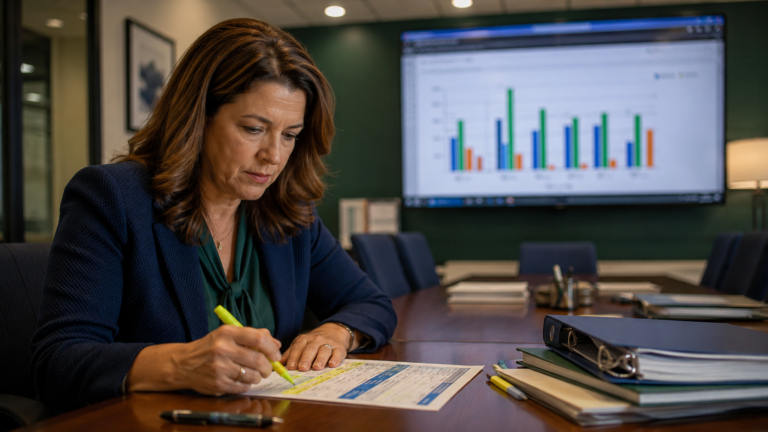
In addition, track your data weekly. Watch for patterns by time of day, location, and student. Adjust consequences based on what works, not what feels right. This is how you eliminate classroom chaos permanently. [INTERNAL LINK]
Stop Depending on Heroic Teachers
Your best teachers are surviving despite your system, not because of it. Meanwhile, your struggling teachers are drowning. When you fix the system, both groups improve. The structure lifts everyone. Heroic effort becomes optional instead of mandatory. That’s the difference between a school that burns out staff every year and a school that retains talent.
You can’t union your way out of classroom chaos. However, you can engineer your way out. Build the architecture. Close the loops. Make consequences predictable. When you do, teachers stop improvising and start teaching again.
Ready to fix your school’s discipline system?
Schedule a free 30-minute Discipline Strategy Session with Dr. Thomas Glanton. No pitch — just a clear plan for your school.