Why Students Act Out: The System Problem Every Principal Must Address
After three decades in K-12 leadership, I’ve heard every explanation for why students act out. Teachers blame parents. Parents blame teachers. Everyone blames the kids themselves. Here’s what nobody wants to admit: student behavior problems are almost never about the students.
They’re about broken systems.
When I walk into a school struggling with discipline, I don’t look at the kids first. Instead, I examine the systems that either support or sabotage student success. What I find consistently surprises no one who’s willing to face facts.
Why Students Act Out: The System Tells the Story
Students act out when systems fail them, not the other way around. Think about it logically. A child enters kindergarten excited to learn. By middle school, that same child is defiant and disengaged. What changed? The child’s fundamental nature? Unlikely.
What changed was their experience within educational systems that either nurtured or neglected their basic needs. These systems often create the very behaviors they claim to address.
I remember walking into Jefferson Middle School last fall. The principal was frustrated. Same kids causing problems daily. Same teachers writing the same referrals. Everyone was exhausted from fighting the same battles.
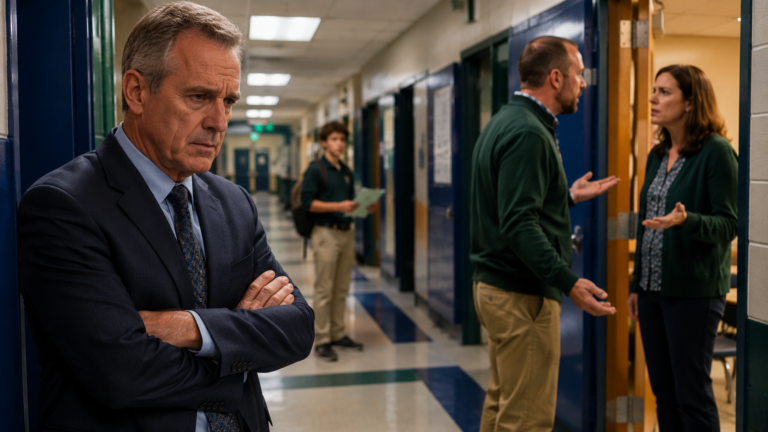
But here’s what I observed in my first hour: One teacher sent a student to the office for talking. The next period, another teacher had that same student leading group discussions. Mixed messages everywhere. The kid wasn’t the problem. The system was sending contradictory signals.
This is what we call Discipline Drift at EDCO. Rules exist on paper but implementation drifts from classroom to classroom. Students navigate this chaos by testing boundaries constantly. They’re not being defiant. They’re trying to figure out what the real expectations are.
The Four System Failures
Through my experience, I’ve identified four critical system failures that consistently lead to behavioral problems. These failures compound each other, creating perfect storms of disruption.
First: Inconsistent Implementation
Different teachers enforce different rules differently. One teacher ignores talking while another writes referrals for whispers. Students receive mixed messages daily. They test boundaries to understand what’s actually expected.
At Roosevelt High, I watched this play out perfectly. Their dress code policy was clear on paper. But some teachers ignored violations while others enforced strictly. Students weren’t confused about the rules. They were confused about which teacher would enforce them when.
Second: Reactive Rather Than Proactive Approaches
Most schools wait for problems to occur, then scramble to respond. Effective systems prevent problems before they start through clear procedures and proactive support.
This reactive approach creates what we call the 3-System Breakdown. Academic systems fail first. Students fall behind. Behavioral systems fail next. Students act out from frustration. Administrative systems fail last. Principals spend all day in crisis mode instead of prevention.
Third: Lack of Relationship Infrastructure
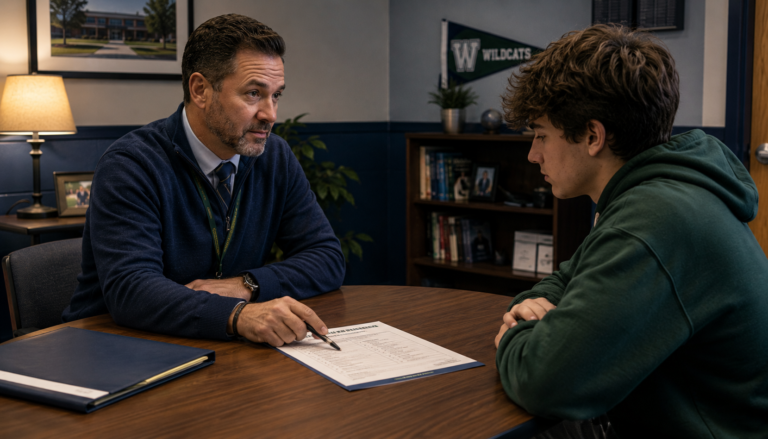
Students need meaningful connections with adults in their school. When these relationships don’t exist systematically, students seek attention through negative behaviors. Punishment damages relationships further, creating vicious cycles.
I’ve seen schools where teachers know every student’s test scores but couldn’t tell you one student’s interest or goal. That’s a system problem, not a teacher problem. The structure doesn’t create opportunities for relationship building.
Fourth: Misaligned Consequences
Traditional punishment often doesn’t address why students act out in the first place. Suspension doesn’t teach self-regulation. Detention doesn’t build social skills. Office referrals don’t address underlying needs.
East Central High School provides a perfect example of what happens when we fix this system failure. They moved from 604 office referrals to 84 in one year by aligning consequences with learning. Their graduation rate jumped from 52 percent to 77 percent. Same kids, different system.
What Strong Discipline Systems Actually Look Like
Effective discipline systems share common characteristics. They’re preventative rather than punitive. They’re consistent across all staff members. They focus on teaching rather than punishment.
In strong systems, students understand expectations clearly. Staff members respond to behaviors consistently. The 4 Pillars of Discipline Stability provide the framework: Clear Expectations, Consistent Implementation, Predictable Consequences, and Relationship Focus.
These systems also recognize that different students need different supports. However, the process for providing those supports remains consistent and fair. This prevents the arbitrary feeling that breeds resentment and acting out.
Strong systems collect data continuously. They track patterns, identify trends, and adjust approaches based on evidence rather than emotion or tradition. Jackson Elementary demonstrates this perfectly. They reduced suspensions from 51 to 1 in a single year by tracking what worked and doing more of it.
The Accountability Loop That Changes Everything
When we understand that behavior problems stem from system failures, solutions become clearer. Instead of asking ‘What’s wrong with this student?’ we ask ‘What’s our system missing?’
This shift creates what we call the Accountability Loop. We examine our systems first and identify gaps in structure or implementation. We engineer solutions and hold the system accountable for results, not individual students or teachers.
Rio Hondo ISD exemplifies this approach. They achieved a 99 percent reduction in office referrals by fixing their systems, not their students. They stopped asking why kids act out and started asking what their systems needed to succeed.
Furthermore, when systems improve, both staff morale and student engagement increase. Teachers feel supported rather than isolated. Students feel understood rather than targeted. The entire school culture shifts from reactive to proactive.
Building Systems That Prevent Problems
Creating effective discipline systems requires intentional design and consistent implementation. Start with clear, simple expectations that everyone understands. Then, develop procedures for teaching, reinforcing, and correcting behaviors systematically.
Train all staff members on these procedures consistently. Monitor implementation regularly. Collect data on outcomes continuously. Adjust approaches based on evidence rather than assumptions.
Most importantly, build relationships intentionally. Create systematic opportunities for positive adult-student interactions. Recognize that relationships aren’t accidents. They’re outcomes of deliberate systems and practices.
Remember this truth: students don’t wake up planning to disrupt your school. They respond to the environments we create for them. When we create better systems, we see better behaviors.
The question isn’t why students act out. The question is what system changes will help them succeed. That’s where real improvement begins.
If your school is stuck in the blame cycle, it’s time to examine your systems. The students aren’t broken. The system might be.