Why Classroom Management Training Fails Without Strong Discipline Systems
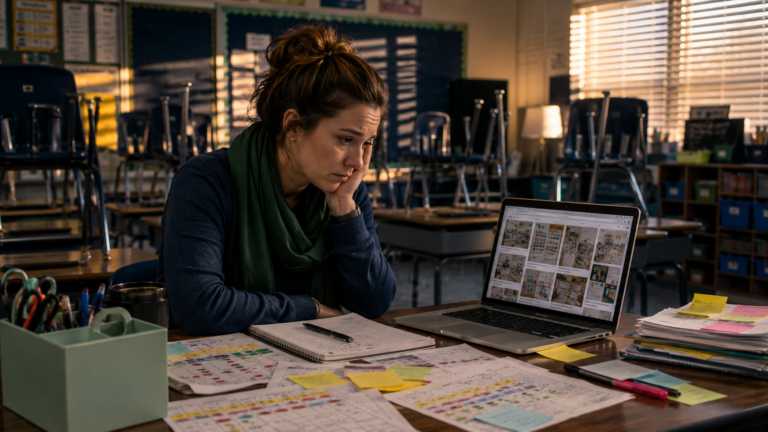
Last month, I watched a frustrated principal explain how her school sent twelve teachers to classroom management training over the summer. However, three weeks into the new school year, the same behavioral issues were back. The same teachers were struggling. The same students were ending up in the office daily.
This scenario plays out in schools across America every year. Therefore, it’s time principals understand the truth: classroom management training fails when your discipline system is broken.
The Classroom Management Training Trap Every Principal Falls Into
Most administrators follow a predictable pattern when discipline problems emerge. First, they identify teachers who struggle with behavior management. Next, they send these teachers to professional development workshops. Finally, they expect improved classroom control and fewer office referrals.
However, this approach addresses symptoms rather than root causes. Furthermore, individual training solutions cannot fix system-level problems. When teachers return from even excellent classroom management training, they face the same broken systems that created their struggles initially.
Consider this real scenario: A middle school sends three teachers to a renowned classroom management training program. The teachers learn research-based strategies and return energized to implement change. Yet within a month, they revert to old patterns because their colleagues use completely different approaches, administrators provide inconsistent support, and no school-wide behavior expectations exist.
What System-Level Discipline Failures Look Like in Schools
After three decades in K-12 leadership, I recognize system-level discipline failures immediately. These problems create an environment where even excellent classroom management training cannot succeed.
First, inconsistent expectations plague most schools. One teacher sends students to the office for minor disruptions while another ignores chronic behavior problems entirely. As a result, students quickly learn which classrooms have which standards and adjust their behavior accordingly.
Additionally, consequence inconsistency undermines teacher authority. The same offense receives different punishments depending on who handles the situation. Consequently, students lose respect for the system, parents question fairness, and teachers feel unsupported when they try implementing new strategies.
Most importantly, communication breakdowns between classrooms and administration create isolation. Teachers don’t know what happens after they send referrals to the office. Meanwhile, administrators rarely follow up with teachers about intervention outcomes. This disconnect makes it impossible for classroom management training to take root.
Why Classroom Management Training Fails in Broken Systems
Even outstanding classroom management training cannot overcome systemic dysfunction. When teachers learn effective strategies but return to schools with inconsistent policies, their new skills become irrelevant.
For example, imagine a teacher who learns positive behavior intervention strategies during summer training. However, they work in a school where colleagues use punitive approaches exclusively. The trained teacher faces an impossible choice: implement what they learned and become an outlier, or conform to existing culture and abandon their training.
Most teachers choose conformity because fighting the system exhausts them. As a result, expensive classroom management training initiatives fail consistently when schools haven’t addressed underlying system problems first.
This pattern explains why schools can invest thousands in professional development without seeing lasting behavior improvements. Furthermore, it demonstrates why EDCO’s approach focuses on system transformation before individual training investments.
Building Systems That Support Effective Classroom Management Training
Real discipline improvement starts with what EDCO calls the Four Pillars of Discipline Stability: clear expectations, consistent consequences, effective communication, and data-driven decisions. Therefore, these pillars must exist before classroom management training can succeed.
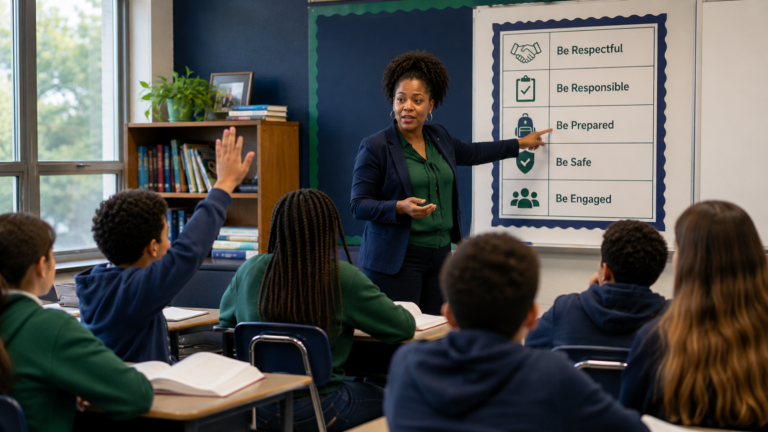
First, establish non-negotiable behavioral standards throughout your building. Define exactly what respect, responsibility, and safety look like in every setting. Next, train all staff members to teach and reinforce these expectations consistently. This foundation prevents the confusion that undermines individual training efforts.
Second, create response protocols that ensure consistency across all classrooms and situations. When specific behaviors occur, everyone responds the same way. However, this doesn’t mean inflexibility—it means predictable fairness that students can understand and trust.
Third, implement data systems that track behavioral patterns and intervention outcomes. Research from the Center on PBIS shows that data-driven approaches to school discipline significantly improve behavioral outcomes. You need to know what’s happening, when, and why certain strategies work or fail.
Finally, establish communication protocols that keep everyone informed. Teachers need feedback about referrals they submit. Similarly, administrators need information about classroom interventions teachers attempt. This transparency makes classroom management training more effective because everyone works toward common goals.
The Right Way to Use Classroom Management Training in System Change
Quality classroom management training has its place, but only within supportive systems. Therefore, schools must approach training strategically rather than reactively.
Train entire faculties together, not individual teachers separately. When whole staffs learn the same approaches simultaneously, they can support each other’s implementation. Furthermore, they develop shared language and common tools that reinforce consistency.
Focus training on your specific system rather than generic strategies. Generic classroom management training teaches broad concepts that teachers struggle to implement. However, effective training shows teachers exactly how to use your school’s behavior expectations in their specific contexts.
Most importantly, build ongoing support rather than one-time events. Real behavior change requires practice, feedback, and refinement over time. Therefore, plan for monthly check-ins, peer observations, and continuous coaching that extends classroom management training benefits.
Fixing Discipline Drift Before Investing in Training
What EDCO calls “Discipline Drift” happens when schools gradually lose consistency in behavior management. Initially, teachers might implement classroom management training effectively. However, without strong systems, expectations slowly erode until chaos returns.
For example, Jackson Elementary reduced suspensions from 51 to just 1 per year not through classroom management training, but by eliminating Discipline Drift through systematic approaches. Similarly, East Central High School improved suspensions from 604 to 84 annually while raising graduation rates from 52 to 77 percent by fixing systems first.
Therefore, examine your systems before investing in more training. Do teachers have clear expectations? Consistent consequences? Effective communication channels? Address these foundation issues first, then enhance them with targeted professional development.
Making the Shift From Training to Systems
Change your approach by changing your questions. Instead of asking “Which teachers need classroom management training?” ask “What systems need repair?” This shift transforms how you address discipline challenges.
Rather than sending struggling teachers to workshops, examine why they struggle systematically. Do they lack clear expectations? Consistent administrative support? Effective consequences? Fix those system gaps before investing in individual training solutions.
Additionally, measure success differently moving forward. Don’t count training hours completed or certificates earned. Instead, track behavior incident trends, monitor consistency across classrooms, and assess staff confidence levels. These metrics reveal whether your foundation supports lasting change.
Remember that sustainable classroom management isn’t something individual teachers figure out alone. It’s something schools create together through intentional system design that makes training investments worthwhile.