How to Move Your School From Reactive Discipline to Proactive Prevention
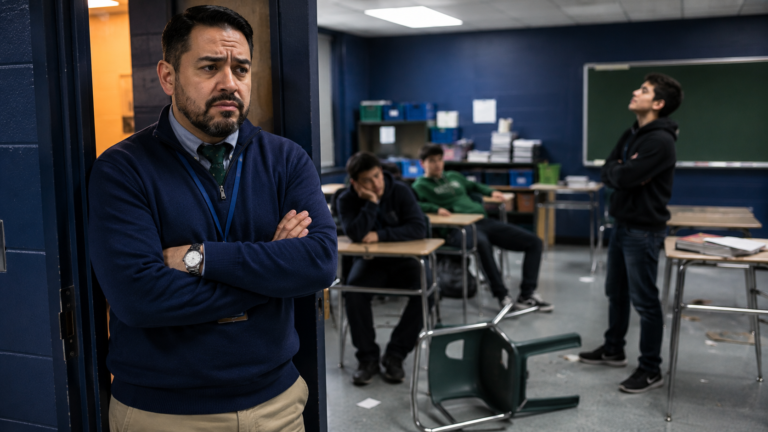
Every morning, I see the same pattern in struggling schools. Administrators arrive to a stack of referrals. Teachers start the day already frustrated. Students walk into an environment where everyone is waiting for something to go wrong. This is reactive discipline in action, and frankly, it’s educational malpractice. However, schools implementing proactive discipline prevention systems create entirely different outcomes.
After three decades in K-12 leadership, I’ve learned this truth: proactive discipline prevention isn’t about better consequences. Instead, it’s about building systems that stop problems before they start. The schools that master this shift spend their time teaching and learning instead of constantly managing chaos.
Why Reactive Discipline Creates More Problems Than It Solves
Reactive discipline feels productive because you’re always busy. However, you’re fighting the same battles repeatedly. When your approach centers on responding to incidents after they occur, you create a cycle of crisis management that exhausts everyone involved. This pattern represents what we call Discipline Drift – the gradual slide from intentional systems to reactive chaos.
The data tells the story clearly. Schools stuck in reactive modes see suspension rates climb year after year. Meanwhile, achievement gaps widen as students spend more time out of class. Teachers burn out faster because classroom management becomes a constant struggle rather than a foundation for learning.
Most importantly, reactive systems teach students the wrong lessons. Instead of learning self-regulation and problem-solving, they learn to avoid getting caught. This approach fundamentally misunderstands human behavior and how sustainable change actually happens.
The Foundation of Proactive Prevention Systems
Proactive discipline prevention starts with a simple recognition: behavior is predictable. Therefore, you can design systems that promote positive choices while making poor choices less likely to occur in the first place. This thinking forms the cornerstone of effective discipline architecture.
Successful schools begin with environmental design. Hallways have clear sight lines and logical traffic flow. Common areas are supervised strategically, not just covered. Cafeterias operate with smooth systems that prevent the bottlenecks and chaos that typically trigger incidents.
Next, they establish predictable routines that everyone understands. Students know exactly what’s expected during transitions, assemblies, and unstructured time. These aren’t rigid rules but rather clear frameworks that help everyone succeed. Furthermore, staff members receive training in reading early warning signs before problems escalate.
Building Prevention Systems Within the 4 Pillars Framework
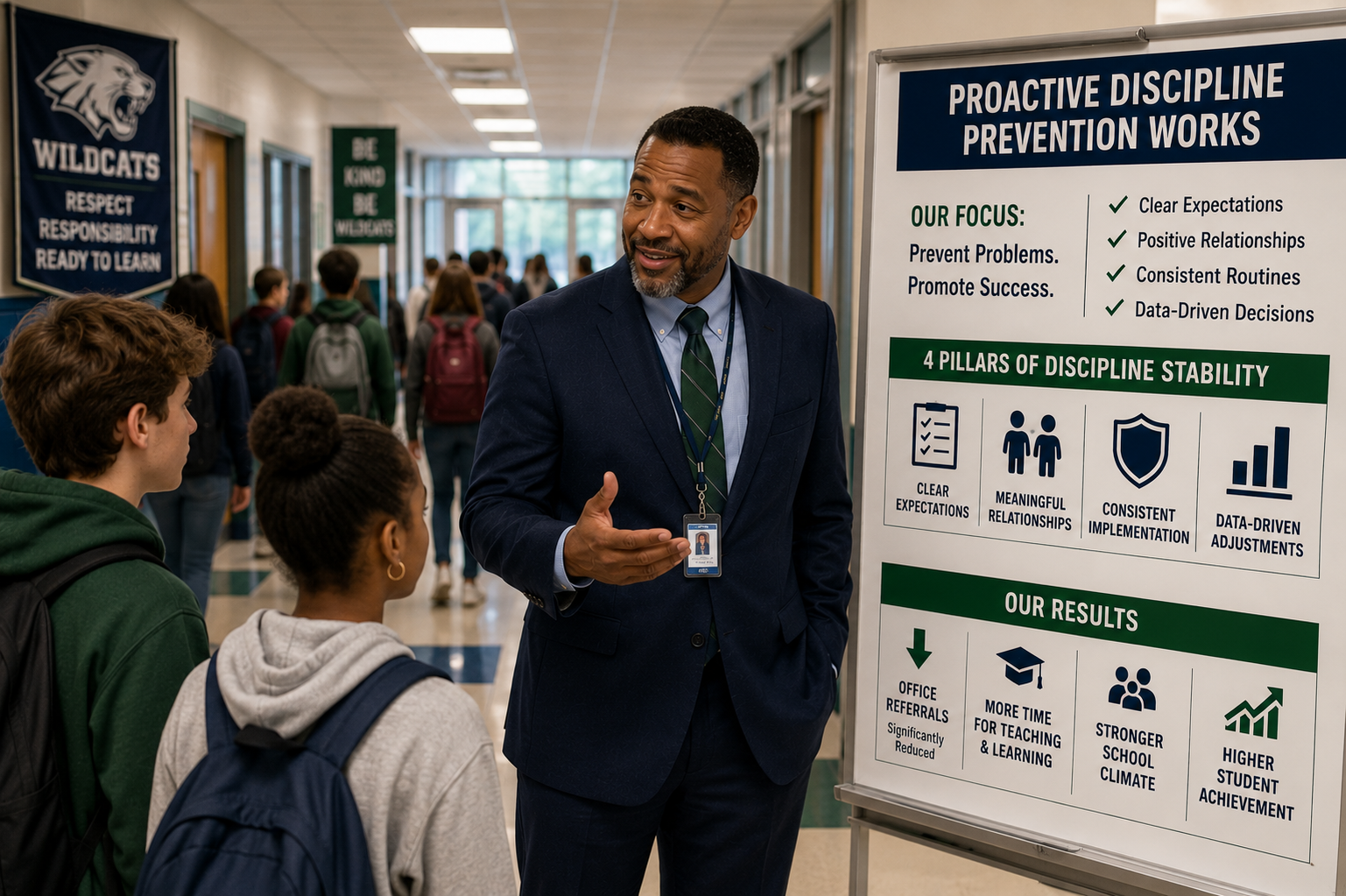
The most effective proactive discipline prevention systems align with what we call the 4 Pillars of Discipline Stability: Clear Expectations, Consistent Implementation, Meaningful Relationships, and Data-Driven Adjustments. When schools strengthen these pillars proactively, they prevent the 3-System Breakdown that creates chaos.
Start with your physical environment and daily procedures. Walk through your building with fresh eyes during peak times. Where do students bunch up? When do tensions typically rise? These patterns reveal where your systems need attention before problems occur.
Additionally, examine your current consequence structure. If most of your interventions happen after problems occur, you’re missing opportunities for prevention. Effective systems include check-ins with at-risk students, mentoring programs, and alternative activities for students who struggle with traditional expectations.
According to research from the Center for Positive Behavioral Interventions and Supports, schools implementing comprehensive prevention frameworks see dramatic reductions in office referrals and improved academic outcomes across all student populations.
Making the Shift: From Crisis Mode to Prevention Mode
Transitioning to proactive discipline prevention requires changing how your entire team thinks about behavior management. This shift doesn’t happen overnight, but it starts with examining your current practices honestly. Most schools discover they’re trapped in what I call the Accountability Loop – constantly responding to problems without addressing root causes.
Begin by analyzing your discipline data from the past year. What patterns emerge? Which locations generate the most referrals? What times of day see the most incidents? This information guides your prevention planning rather than just your response protocols.
Then, engage your staff in solution-focused discussions. Instead of asking ‘How do we handle this behavior?’ start asking ‘How do we prevent this situation?’ This simple reframe opens up entirely different conversations and solutions. Consequently, your team starts thinking like prevention experts rather than crisis managers.
Real Results From Prevention-First Approaches
The transformation possible through proactive discipline prevention isn’t theoretical. East Central High School moved from 604 suspensions to just 84 while increasing their graduation rate from 52 percent to 77 percent. Jackson Elementary reduced suspensions from 51 to just 1 in a single year. Meanwhile, Rio Hondo ISD achieved a 99 percent reduction in office referrals system-wide.
These results didn’t come from tougher consequences or stricter rules. Instead, they came from building systems that prevented problems before they started. Each school focused on creating environments where positive behavior was the natural choice rather than the difficult one.
Most importantly, measure your progress differently. Track positive indicators like increased instructional time, improved school climate surveys, and reduced chronic absenteeism alongside traditional discipline metrics. This comprehensive approach reveals the true impact of prevention-focused systems.
The schools that successfully make this transition discover something remarkable: prevention takes less energy than constantly responding to crises. When you invest time upfront in building solid systems, you free up countless hours throughout the year for actual education.
Your discipline system either sets your school up for success or keeps you trapped in crisis mode. The choice isn’t about being tough or lenient. It’s about being smart enough to prevent problems instead of just reacting to them.