Why Your School’s Prevention Systems Are Failing (And How to Fix Them)
s and After thirty years in K-12 leadership, I’ve watched too many schools exhaust themselves fighting discipline fires. Prevention discipline systems should eliminate most behavioral issues before they start. However, most schools still operate in crisis mode because they misunderstand what prevention actually requires.
The difference between reactive and preventive discipline isn’t about being nicer to students. Instead, it’s about building systems that make good behavior the natural choice.
Why Prevention Discipline Systems Fail in Most Schools
Most discipline systems operate in reactive mode despite good intentions. A student acts out in third period. The teacher writes a referral. The assistant principal assigns consequences. Everyone moves on until tomorrow brings the same problems.
This approach fails because it ignores the conditions that create behavior problems. Take Jefferson Middle School’s morning routine. Students arrive confused about expectations. Some go straight to class while others congregate in hallways. Teachers enforce different rules in different areas.
As a result, anxiety builds among students who need structure. Conflicts emerge when expectations aren’t clear. By first period, three students have already been sent to the office for issues that prevention systems could have eliminated.
Furthermore, reactive discipline burns out your staff. Teachers spend energy managing disruptions instead of teaching. Administrators become full-time referral processors. The whole system runs on what we call Discipline Drift — constantly responding to problems without addressing root causes.
The Four System Layers
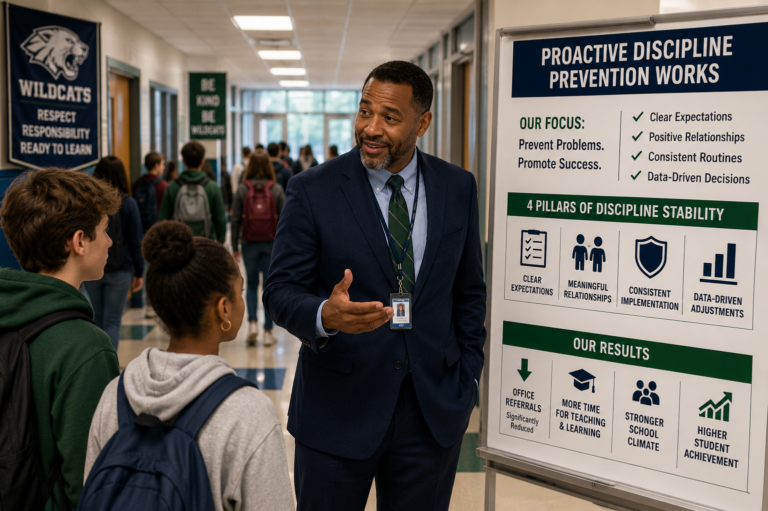
Effective prevention discipline systems require four integrated layers. Each layer addresses different causes of behavior problems using our 4 Pillars of Discipline Stability framework.
Layer 1: Environmental Systems
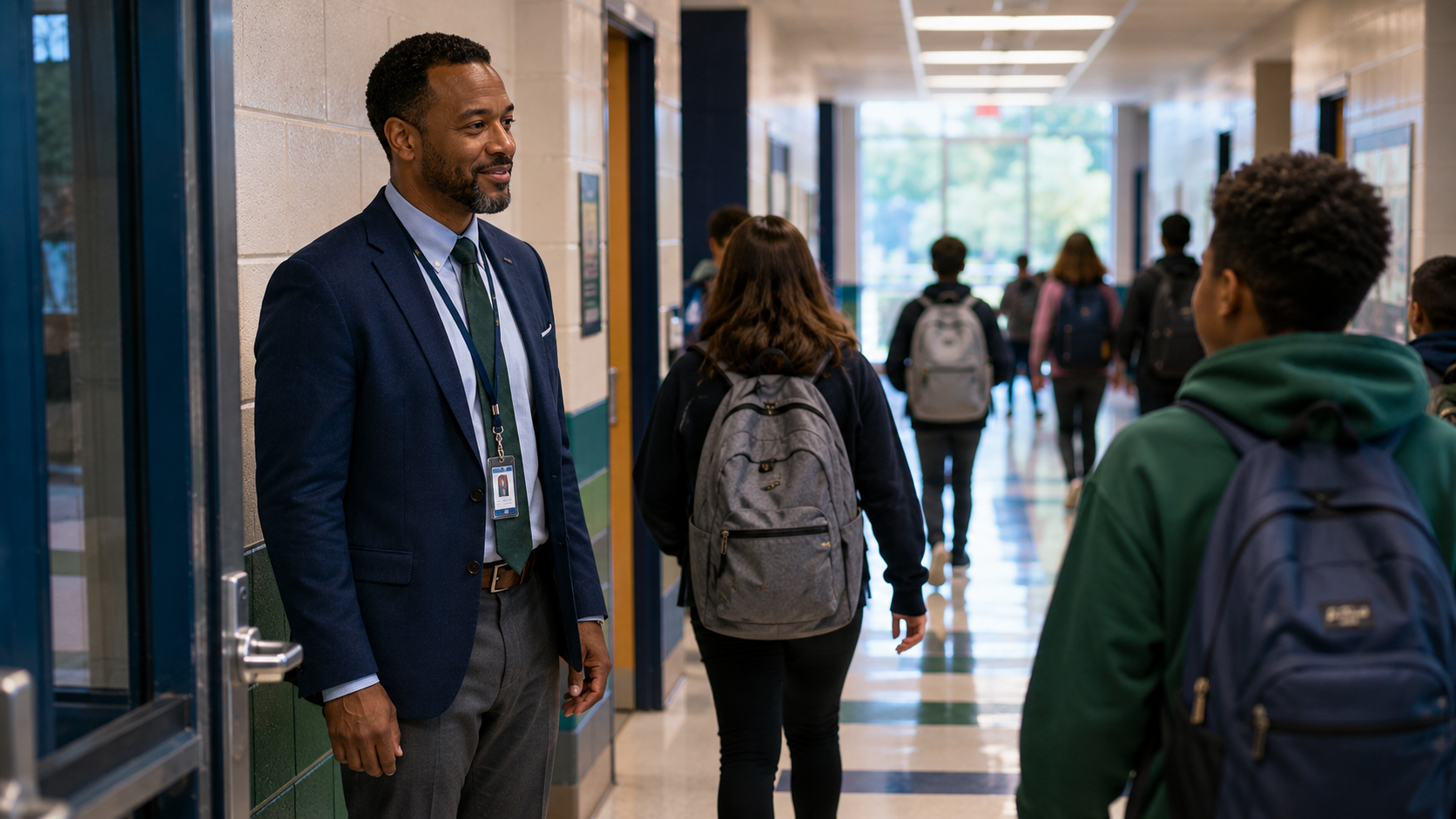
Your physical and social environment shapes behavior more than rules do. Students need predictable routines, clear expectations, and organized spaces. When students know what to expect, they feel secure.
Consider Lincoln High School’s cafeteria transformation. Previously, lunch periods generated 15-20 referrals daily. Lines were chaotic. Students didn’t know where to sit. Staff enforcement was inconsistent.
Therefore, the leadership team redesigned the entire system. They created clear traffic patterns with floor marking and established consistent seating protocols. They trained all staff on the same expectations.
Consequently, referrals dropped to 2-3 per day within two weeks. The same students with the same staff — but different systems.
Layer 2: Instructional Systems
Most behavior problems stem from academic frustration or boredom. Students act out when content is too hard, too easy, or irrelevant. Strong instructional systems engage students and reduce behavior incidents naturally.
At Roosevelt Elementary, Mrs. Garcia’s class generated 12 referrals in September. However, data analysis revealed the pattern. Students acted out during independent work when they couldn’t access grade-level content.
As a result, the instructional coach helped Mrs. Garcia implement differentiated learning stations. Students could access content at their level while building toward grade-level standards.
By October, referrals dropped to two for the entire month. The difference wasn’t stricter consequences — it was better instruction.
Layer 3: Communication Systems
Poor communication creates confusion, and confusion generates behavior problems. Students need clear, consistent messages about expectations, procedures, and consequences across all settings.
Your communication system should reach every stakeholder through multiple channels. Parents need regular updates about behavior expectations. Staff need consistent protocols for common situations. Students need age-appropriate explanations of behavioral expectations.
Most importantly, communication must be proactive. Don’t wait for problems to explain expectations.
Layer 4: Support Systems
Some students need additional support to succeed behaviorally. Your system should identify these students early and provide targeted interventions before problems escalate into our 3-System Breakdown pattern.
Support systems include counseling resources, peer mediation programs, and individualized behavior plans. The key is proactive identification and intervention through data analysis.
How Prevention Systems Transform School Culture
Prevention discipline systems work because they address behavior causes, not just symptoms. When students understand expectations, feel academically successful, and receive necessary support, they make better choices naturally.
Consider East Central High School’s transformation. They started with 604 suspensions and a 52 percent graduation rate. Their reactive system consumed administrative time and damaged student relationships.
However, they implemented comprehensive prevention systems across all four layers. Environmental improvements created predictable routines. Instructional changes engaged struggling students. Communication systems aligned expectations. Support systems identified at-risk students early.
As a result, suspensions dropped to 84 while graduation rates climbed to 77 percent. The same student population achieved dramatically different outcomes through systems change.
Research from the Positive Behavioral Interventions and Supports Technical Assistance Center shows schools with strong prevention systems reduce discipline referrals by 20-60 percent. More importantly, they improve academic outcomes and school climate simultaneously.
Implementing Prevention-Based Discipline Systems
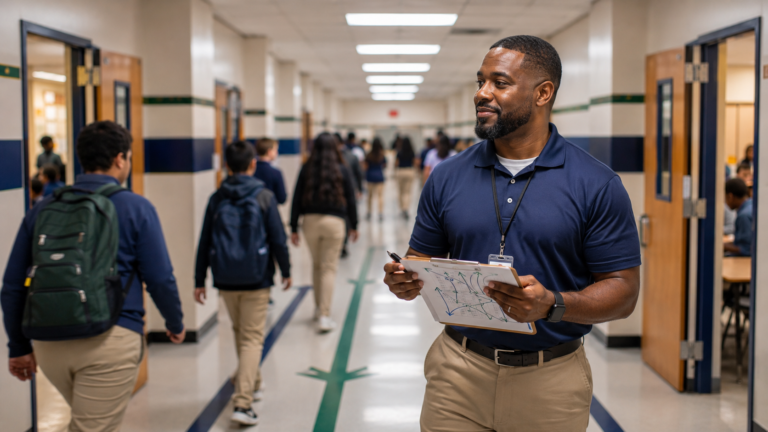
Building prevention systems requires systematic planning and implementation. First, start with data analysis. Which students generate multiple referrals? What times and locations see the most incidents? What triggers precede behavior problems?
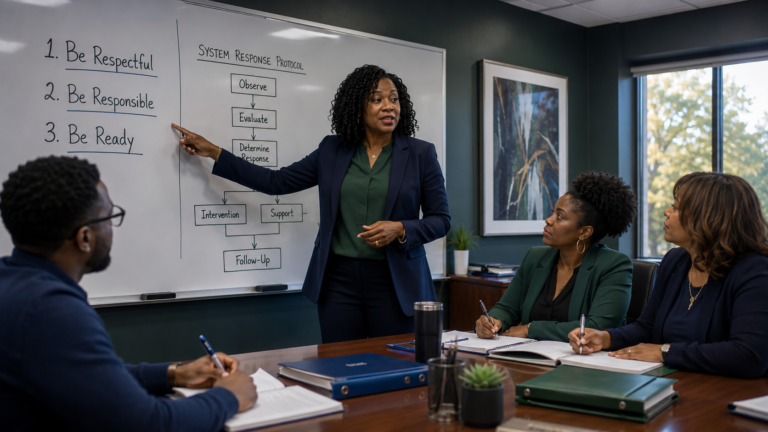
Next, map your current systems against the four prevention layers. Identify gaps and inconsistencies. Where do environmental factors contribute to problems? How does instruction impact behavior? Are communication channels clear?
Then prioritize improvements based on impact potential. Environmental changes often yield quick wins. Instructional improvements take longer but address root causes. Support systems require resource allocation but serve high-need students effectively.
Finally, implement changes systematically through our Accountability Loop process. Train staff thoroughly on new procedures. Communicate changes to students and families clearly. Monitor implementation fidelity closely. Adjust based on results data.
Moving Beyond Reactive Prevention Discipline Systems
Prevention-based discipline transforms your school culture fundamentally. Instead of managing crises, you create conditions for success. Instead of punishing problems, you eliminate their causes systematically.
This shift requires mindset change throughout your organization. Your team must embrace systems thinking over individual blame. They must value prevention over reaction. They must commit to long-term change over quick fixes.
The payoff is substantial for everyone involved. Students experience more success and less conflict daily. Teachers focus on instruction instead of behavior management. Administrators lead improvement instead of processing referrals constantly.
Most importantly, your school becomes a place where all students can thrive academically and behaviorally. Effective prevention discipline systems make this transformation possible when implemented correctly.