Your System Was Built for Yesterday’s Problems
When discipline systems fail, the signs appear everywhere at once. Teachers spend their lunch breaks complaining about classroom chaos. Principals juggle endless referrals before first period ends. However, most schools attack these symptoms instead of fixing the root cause.
Why Current Discipline Systems Fail Modern Students
You cannot teach a child who is not regulated. Furthermore, you cannot regulate a child inside a system designed for a different generation of students. Most schools operate with discipline frameworks built twenty years ago for problems that no longer exist.
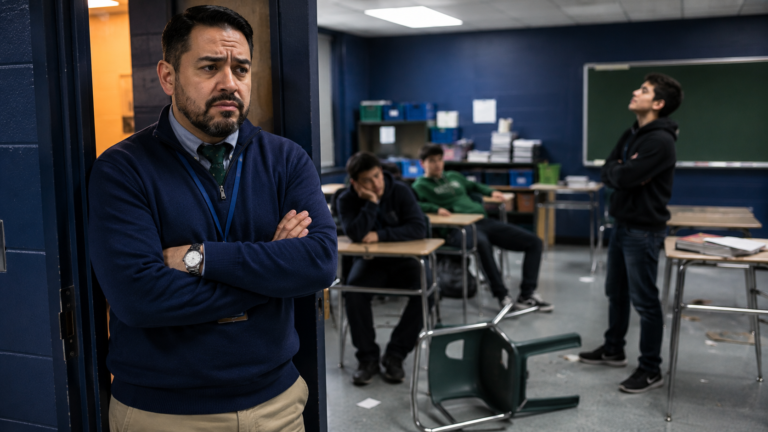
Walk into any building where classroom management has collapsed. Teachers are surviving each period rather than teaching it. This reality reveals a fundamental truth: when structure drifts, everything drifts with it.
Teachers stop correcting because correcting feels pointless. Students stop complying because consequences become unpredictable. As a result, the entire environment turns into negotiations nobody wins. Meanwhile, learning stops happening altogether.
The Infrastructure Problem Behind Discipline System Failures
Principals recognize this pattern immediately. They feel it in referral stacks appearing on their desks by 9 AM. However, too many leaders treat classroom management as a teacher skill issue rather than a systems breakdown.
Classroom management represents the infrastructure of education. When infrastructure fails, instruction becomes impossible. No curriculum program fixes broken systems. No professional development day repairs structural problems. Therefore, schools must engineer solutions before expecting performance improvements.
Consider what happens when schools hire new teachers mid-year. Strong systems hold these educators up during their learning curve. Weak systems let them sink immediately. This difference reveals whether your discipline framework actually functions or merely exists on paper.
How Discipline Drift Destroys School Culture
Discipline Drift occurs when schools lose structural consistency over time. First, small inconsistencies appear between classrooms. Next, teachers create their own individual systems. Finally, students learn to navigate around weak points in your framework.
This progression follows predictable patterns. Teachers begin making exceptions they never intended to make. Administrators start avoiding difficult conversations about consistency. Consequently, your discipline system becomes a collection of personal preferences rather than institutional strength.
Students understand these weaknesses faster than adults acknowledge them. They recognize which teachers enforce rules and which ones negotiate endlessly. As a result, behavior problems migrate toward areas of least resistance.
The Cost of Broken Discipline Systems
Schools cannot coach their way out of structural problems. You must build your way through them. However, many leaders waste months trying to fix individual teacher performance when the real issue involves system architecture.
When discipline systems fail, the damage spreads beyond behavior management. Academic achievement suffers because instructional time disappears. Teacher retention drops because educators feel unsupported. Parent confidence erodes because communication becomes reactive rather than proactive.
Furthermore, these problems compound daily. Every missed consequence teaches students that rules lack meaning. Every inconsistent response weakens your entire framework. Therefore, small cracks become major breakdowns without immediate intervention.
Building Discipline Systems That Actually Work
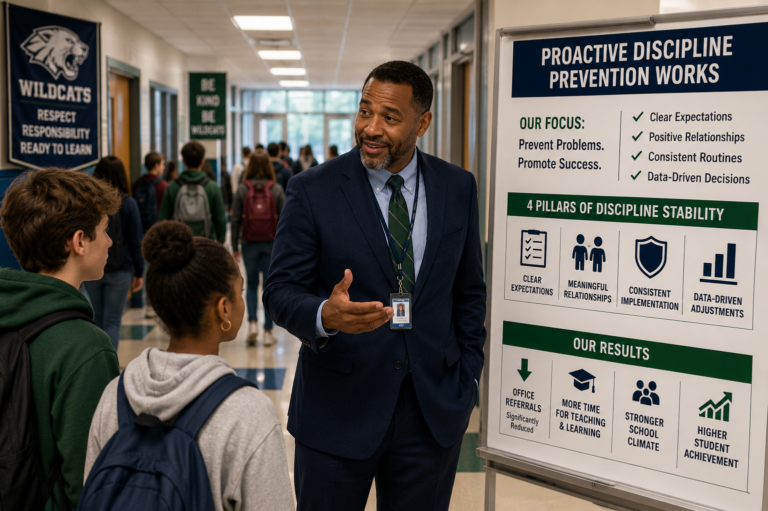
Effective discipline systems require three foundational elements working together. First, clear procedures that every adult understands and follows consistently. Second, predictable consequences that students can anticipate and learn from. Third, communication protocols that keep everyone informed about what happens next.
These elements form what we call the Three-System Breakdown: procedures, consequences, and communication. When any piece fails, the entire framework weakens. However, when all three function properly, schools see dramatic improvements in both behavior and academic outcomes.
For example, Jackson Elementary reduced suspensions from 51 to just 1 by implementing consistent systems. East Central High School dropped suspensions from 604 to 84 while raising graduation rates from 52 to 77 percent. These results demonstrate what happens when schools fix their infrastructure first.
Most importantly, sustainable change requires building systems that function regardless of which adults are present. Your discipline framework should work whether teachers are veteran educators or brand new hires. INTERNAL LINK
Testing Your Current Discipline System
Ask yourself these critical questions about your current approach. Does every teacher handle the same behavior violation the same way? Can students predict what happens when they make poor choices? Do consequences connect clearly to the behavior that caused them?
Next, consider your communication systems. Do parents receive information before problems escalate? Can teachers access the support they need when challenges arise? Does your team follow up consistently after interventions occur?
Finally, evaluate your structural consistency. When substitutes cover classes, do students maintain appropriate behavior? If new teachers join your building tomorrow, will your systems support them immediately? These answers reveal whether you have genuine infrastructure or just good intentions.
According to research from the Center on PBIS, schools with consistent discipline frameworks see significant improvements in both academic and behavioral outcomes. However, building these systems requires intentional planning and sustained commitment from leadership teams.
The conversation happening in schools right now addresses the right issues. Classroom management represents infrastructure, not individual teacher skills. When infrastructure breaks, everything else breaks with it. Therefore, your next step involves engineering solutions rather than hoping for improvement.