How to Move Your School From Reactive Discipline to Proactive Prevention
Most schools operate in constant behavioral crisis mode because they lack proactive discipline prevention systems. Instead of preventing problems, administrators spend their days processing referrals, managing suspensions, and responding to the same disruptions repeatedly. This reactive approach keeps schools trapped in what we call Discipline Drift — the gradual erosion of behavioral standards through inconsistent responses and crisis management.
After thirty years in K-12 leadership roles, I’ve watched countless schools exhaust their resources fighting behavioral fires instead of preventing them. However, schools that implement proactive discipline prevention systems report dramatic improvements. For example, East Central High School reduced suspensions from 604 to 84 while increasing graduation rates from 52 to 77 percent through systematic prevention strategies.
Why Reactive Discipline Creates Endless Crisis Management
Reactive discipline systems fail because they address symptoms rather than causes. When Maria gets her third referral for classroom disruption, sending her to the office doesn’t eliminate whatever triggers her behavior. Therefore, she returns to the same classroom environment that created the original problem.
This cycle consumes massive administrative resources. Principals spend hours documenting incidents instead of leading instruction. Meanwhile, teachers lose valuable classroom time managing disruptions. As a result, both academic achievement and school climate deteriorate.
Furthermore, reactive systems create adversarial relationships between students and staff. Students view administrators as enforcers rather than supporters. Consequently, the very relationships needed for effective discipline become damaged by the crisis management approach.
Most importantly, reactive discipline fails to address what EDCO calls the 3-System Breakdown. When prevention systems, intervention systems, and consequence systems operate independently rather than cohesively, schools experience continuous behavioral chaos regardless of individual staff efforts.
Building Proactive Discipline Prevention Through Environmental Design
Effective proactive discipline prevention starts with intentional environmental design. Successful schools engineer their physical and social environments to minimize behavioral triggers before problems emerge. This approach addresses the root causes rather than waiting for symptoms to appear.
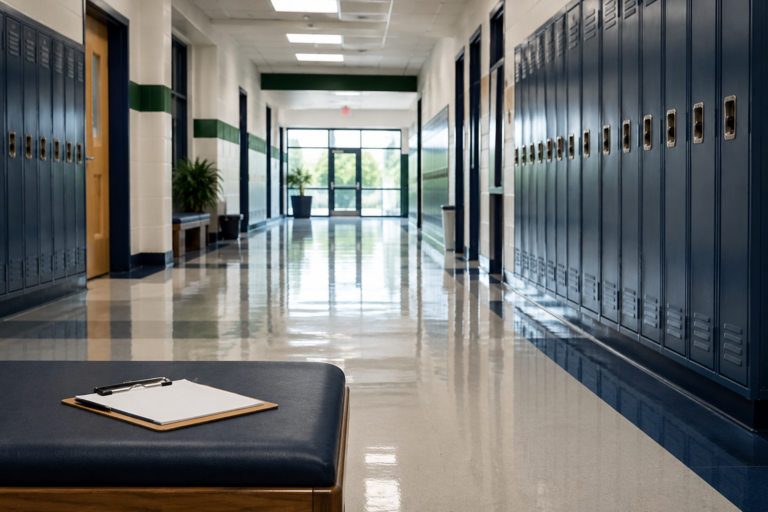
First, examine your transition points systematically. Hallway changes between classes generate the majority of behavioral incidents because students feel unstructured and unsupervised. Therefore, design these moments intentionally with clear expectations, strategic staff positioning, and structured routines.
Next, analyze classroom environments where disruptions occur most frequently. Notice the seating arrangements, activity transitions, and group configurations that correlate with problems. Then redesign these elements to prevent rather than react to behavioral issues.
Additionally, implement predictable response protocols across all settings. When students understand exactly what to expect, anxiety-driven behaviors decrease significantly. This consistency forms one of the 4 Pillars of Discipline Stability — predictable responses that students can count on regardless of which staff member they encounter.
The Data-Driven Approach to Proactive Discipline Prevention
Systematic data analysis reveals patterns invisible to casual observation. Track behavioral incidents by location, time, student demographics, and antecedent events. Most schools discover that 80 percent of their discipline problems stem from predictable, preventable scenarios.
For instance, certain classrooms consistently generate disproportionate referrals. Specific transition periods create chaos repeatedly. Particular student combinations trigger conflicts predictably. Once you identify these patterns, prevention becomes straightforward rather than mysterious.
However, data analysis must drive actual system changes. Modify problematic environments based on evidence. Adjust scheduling to prevent volatile combinations. Increase supervision during identified high-risk periods. This approach addresses systems rather than blaming individuals.
The Positive Behavioral Interventions and Supports framework provides excellent tools for this analysis. Nevertheless, implementation requires genuine systems thinking rather than simple program adoption. Schools must commit to changing structures, not just adding programs.
Implementing the Accountability Loop for Prevention Success
Transitioning to proactive discipline prevention requires what EDCO calls the Accountability Loop — clear expectations, consistent monitoring, and responsive adjustments based on outcomes. This framework ensures prevention efforts produce measurable results rather than good intentions.
Begin by establishing clear prevention targets. Instead of vague goals like “reduce disruptions,” set specific metrics such as “reduce hallway incidents by 40 percent in sixty days.” Specific targets create accountability and enable accurate progress measurement.
Then monitor progress systematically through multiple data sources. Track incident reports, staff feedback, and student climate surveys. Weekly data reviews reveal whether prevention strategies are working or need adjustment.
Most importantly, adjust strategies based on evidence rather than assumptions. When prevention efforts aren’t producing expected results, analyze the implementation fidelity and environmental factors. This continuous improvement approach ensures sustained progress rather than temporary gains.
Your 90-Day Proactive Discipline Prevention Implementation Plan
Start with a comprehensive baseline assessment documenting current behavioral patterns, environmental conditions, and staff responses. This data becomes your improvement roadmap and success measurement tool.
Next, identify your three highest-frequency problem scenarios for targeted intervention. Focus prevention efforts narrowly rather than attempting broad reforms simultaneously. Success with specific issues builds momentum for system-wide transformation.
Then design targeted prevention interventions for each identified scenario. Modify physical environments, adjust procedures, and retrain staff responses. Implement changes systematically with clear timelines and accountability measures.
Finally, monitor results rigorously through weekly data reviews. Track incident frequency, severity, and staff satisfaction levels. Adjust interventions based on evidence rather than assumptions about what should work.
Schools that successfully implement proactive discipline prevention report transformed cultures where students feel supported rather than monitored. Staff focus on teaching rather than crowd control. Parents view schools as nurturing rather than punitive. For example, Jackson Elementary reduced suspensions from 51 to 1 through systematic prevention implementation.
This transformation requires sustained commitment to systems thinking rather than quick fixes. However, the results justify the effort through dramatically improved climate, increased instructional time, and reduced administrative burden. INTERNAL LINK provides additional resources for implementing these prevention strategies effectively.
Ready to fix your school’s discipline system?
Schedule a free 30-minute Discipline Strategy Session with Dr. Thomas Glanton. No pitch — just a clear plan for your school.