Your Student Can’t Describe Good Discipline — Can You
A third grader walks into your building every morning already bracing for correction. She doesn’t know the rules. She just knows she keeps breaking them. Most children don’t misbehave because they lack discipline. They misbehave because the system never taught them what good discipline feels like from the inside.
That’s a structural problem. Not a student problem. Not a teacher problem. A system problem.
What Good Discipline Feels Like From a Child’s Seat
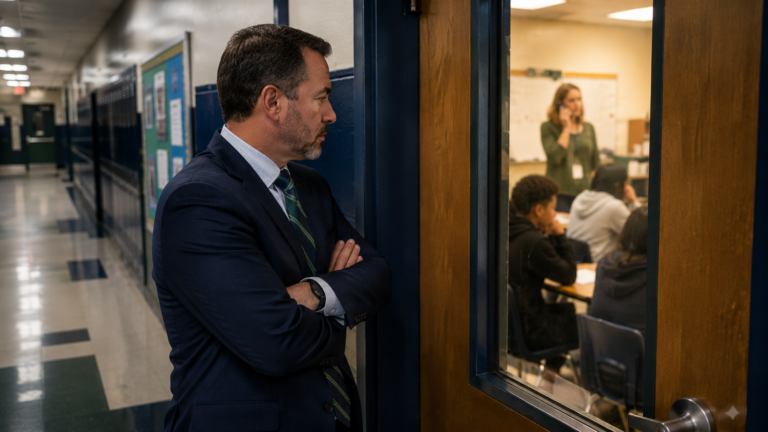
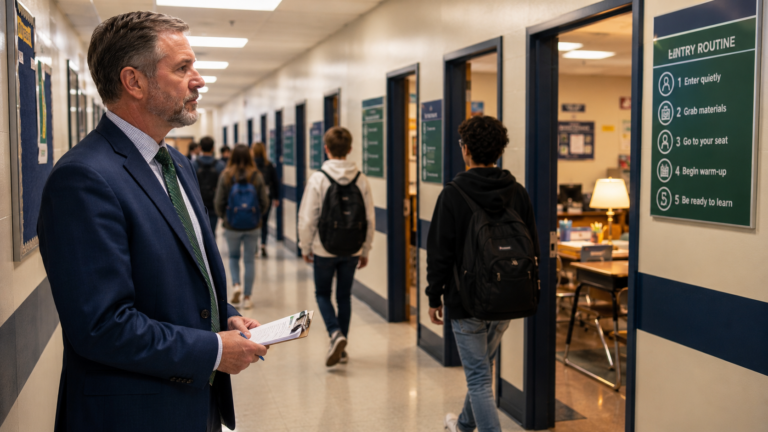
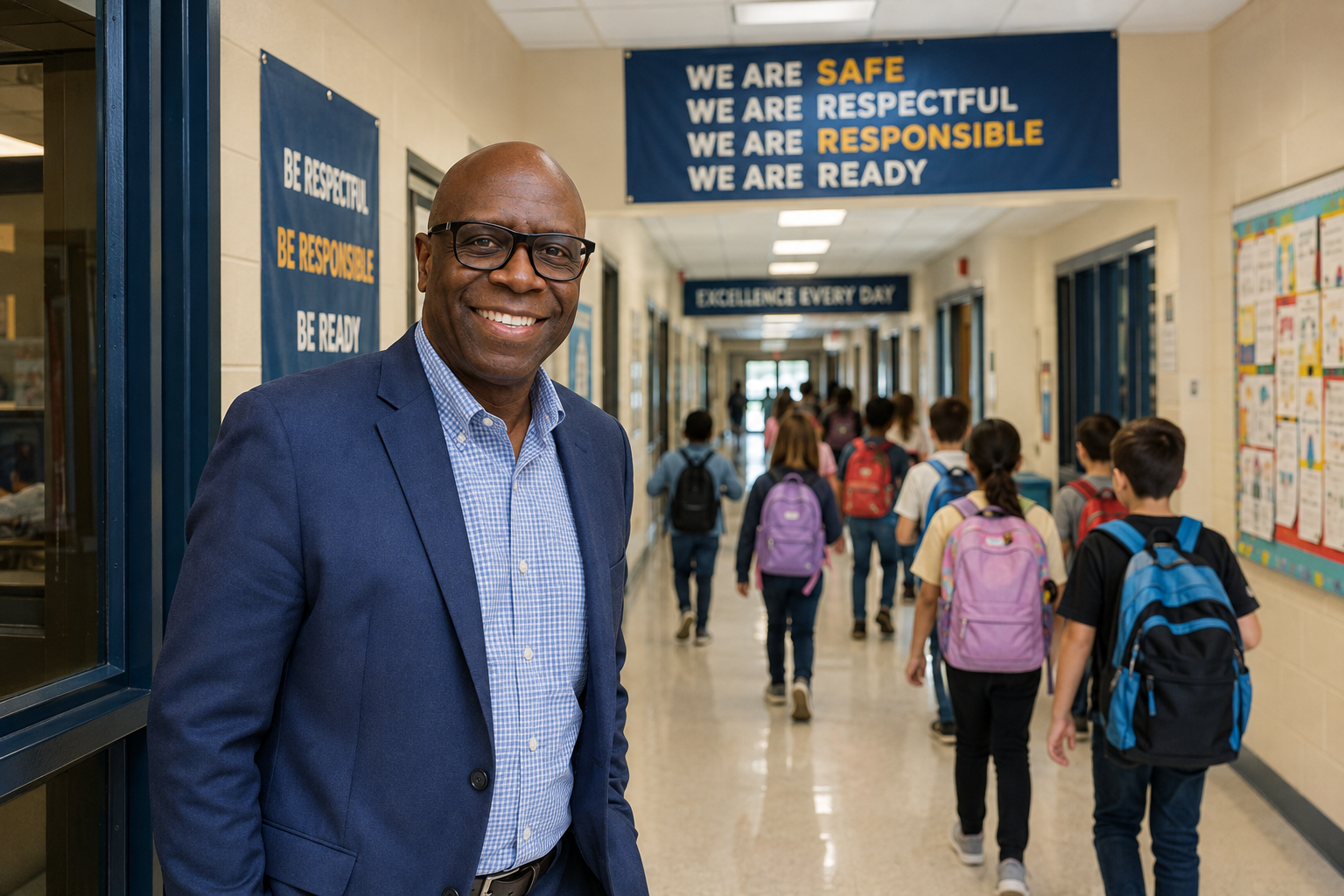
Walk through your hallways during a transition period. Watch the third graders. Some move confidently. Others hesitate at every doorway. The confident ones aren’t smarter or better behaved. They understand the system. They know what comes next. They’ve learned what good discipline feels like because the structure taught them.
The hesitant children are reading the room constantly. They’re watching adults for cues. They’re trying to predict what will happen. Because in their experience, consequences arrive unpredictably. Correction feels arbitrary. Therefore, compliance feels impossible to achieve consistently.
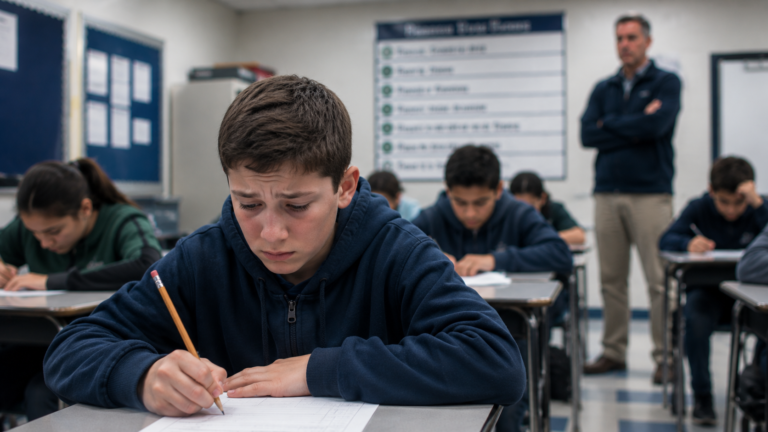
When a school has drifted from consistent routines, predictable responses, and clear expectations, children experience school as unpredictable. Unpredictable environments produce survival behaviors. We call those behaviors discipline problems. However, they aren’t discipline problems at all. They’re normal human responses to structural chaos.
The System Determines What Discipline Feels Like
Most principals inherit broken discipline systems. The previous administration ran on personality. Teachers managed their own classrooms independently. Consequences varied by adult mood, time of day, or how many referrals had already landed on someone’s desk that week. As a result, no child could describe what good discipline feels like in that building.
This is what we call Discipline Drift at EDCO. The system degrades slowly. First, teachers stop enforcing minor infractions because the office doesn’t back them. Next, students test boundaries because boundaries shift daily. Finally, adults blame students for not following rules that were never consistently taught or reinforced.
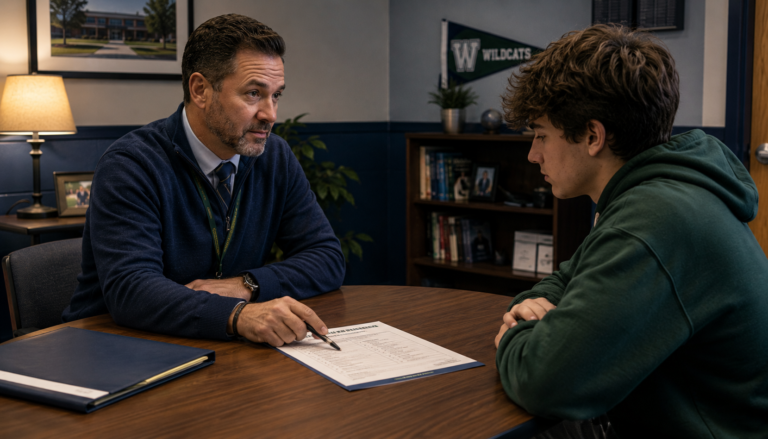
When I became a high school principal, I inherited exactly this situation. Teachers were exhausted. Students were confused. Parents were angry. Everyone blamed everyone else. But the real problem was structural. The adults had never agreed on what good discipline feels like from a student’s perspective.
Engineering the Feeling of Safety and Predictability
What a child needs isn’t more correction. They need a structure engineered so well that compliance feels natural, not coerced. When the system is right, children don’t feel managed. They feel safe. This is the core principle behind the 4 Pillars of Discipline Stability.
The four pillars are simple. First, consistent routines that don’t change by teacher or time of day. Second, predictable responses to both positive and negative behaviors. Third, clear expectations communicated in student language. Fourth, aligned adult behaviors so every staff member enforces the same way.
At East Central High School, we rebuilt the discipline system from the ground up using this framework. Suspensions dropped from 604 to 84 in one year. More importantly, graduation rates climbed from 52 percent to 77 percent. Students didn’t suddenly become better kids. The system started teaching them what good discipline feels like.
Most Schools Fail the Third Grader Test
Here’s a simple diagnostic. Pull a random third grader from the hallway. Ask them three questions. What are the rules in this school? What happens when you follow them? What happens when you don’t?
In most buildings, you’ll get vague answers. “Be respectful.” “I don’t know.” “It depends.” That child can’t describe what good discipline feels like because the adults never built a system that communicates it clearly. Meanwhile, the honor roll student in the same hallway will give you the same vague answers. They’re succeeding despite the system, not because of it.
In contrast, schools with engineered discipline systems produce different answers. Students describe specific routines. They name clear consequences. They explain the logic behind the rules. Most importantly, they describe feeling safe because they know what to expect every single day.
The Accountability Loop Teaches What Good Discipline Feels Like
The Accountability Loop is how you translate structure into student experience. When a child breaks a rule, the loop activates immediately. First, the behavior is named specifically. Second, the consequence is applied consistently. Third, the child is taught the replacement behavior. Fourth, the adult checks back to ensure understanding.
This loop doesn’t punish. It teaches. When repeated hundreds of times across a school year, it becomes the operating system for how students experience discipline. At Jackson Elementary, suspensions dropped from 51 to just 1 after implementing the Accountability Loop. Children learned what good discipline feels like because every adult applied the same process every time.
The loop works because it’s predictable. Students stop fearing correction. They start expecting it as part of learning. As a result, behaviors improve not through fear but through clarity. That’s the difference between managing students and teaching them.
You Can Engineer That Feeling Starting Monday
You can engineer what good discipline feels like in your building. The adults decide. Start with one routine. Hallway transitions. Cafeteria entry. Morning arrival. Pick the messiest one. Then script it. Teach it. Enforce it the same way in every classroom. Check for understanding. Reinforce positives. Correct mistakes immediately using the same language.
Within two weeks, students will describe that routine clearly. They’ll know what it feels like to comply successfully. Then add a second routine. Then a third. By December, you’ll have a system. By May, you’ll have a culture. Students will describe what good discipline feels like because you engineered the experience deliberately.
At Rio Hondo ISD, the district reduced referrals by 99 percent using this approach. They didn’t hire new staff. They didn’t install new programs. They engineered what discipline feels like from a student’s seat. Consequently, behavior improved across every campus because the system taught compliance instead of punishing confusion.
What Does Good Discipline Feel Like in Your Building Right Now
Stop reading. Walk your hallways. Watch your students. Ask yourself honestly: what does discipline feel like from a third grader’s perspective in this building right now? If the answer is confusing, unpredictable, or scary, you have a systems problem. Fortunately, systems problems have systems solutions.
The children aren’t broken. The system is. Fix the system, and the children will show you what good discipline feels like when it’s taught correctly. That’s not a theory. That’s 30 years of evidence from real schools fixing real problems. You can be next.
Ready to fix your school’s discipline system?
Schedule a free 30-minute Discipline Strategy Session with Dr. Thomas Glanton. No pitch — just a clear plan for your school.